Author: yelena

  • Hanukka 5783, kirje 2

    Hanukka 5783, kirje 2

    Mikä on Hanukkavalojen viesti meille?

    Oletan, että lähes kaikki lukijani tuntevat Hanukkajuhlan, valon juhlan.

    Silloin juhlitaan valon voittoa pimeydestä, valon uudelleen syttymistä pyhään lampunjalkaan ”Jaakobin Jumalan huoneessa”

    (Jes. 2:3) puhtaan oliiviöljyn voimasta. Niiden, jotka puhdistivat uskollisesti Temppeliä rakkaudesta Israelin Jumalaan, täytyi metsästää lamppuöljyä, joka ei olisi epäjumalanpalvelijoiden saastuttamaa. He jatkoivat itsepäisesti etsimistä ja osuivat vihdoin katseilta piiloon jääneeseen nurkkaan, johon oli unohtunut pieni öljypullo. Kenties joku oli kätkenyt sen sinne tarkoituksella silloin kun kreikkalaiset sotilaat eivät nähneet.

    Horjuiko näiden juutalaisten usko silloin kun he tajusivat, että pullossa oleva öljy riittäisi vain yhdeksi päiväksi? Vai odottivatko he ihmettä, joka sitten tapahtuikin, niin että öljyä riitti siihen asti, että uusi pyhä öljy valmistui? Pyhän öljyn valmistamiseen kului kahdeksan päivää, mistä johtuu, että me sytytämme Hanukkakynttelikköön kynttilän kahdeksana päivänä.

    Juutalainen perinteinen tapa kieltää ehdottomasti käyttämästä Hanukkakynttelikön valoa missään käytännöllisessä tarkoituksessa; sitä tulee ”vain katsella”. Niinpä me rakasta perinnettämme noudattaen keskeytämme pientä Hanukkakynttilää sytyttäessämme arkiaskareemme ja istahdamme muutamaksi minuutiksi vain ihailemaan kynttilöiden heijastamaa valoa. Yrittäkäämme ymmärtää, mikä tekee siitä juhlahetken.

    Kuten tiedämme, kynttilöiden tarkoitus on muistuttaa meitä Temppelissä olevasta Menorasta. Tuon seitsenhaaraisen kultaisen lampunjalan puolestaan tuli muistuttaa meitä ikuisesta Valosta, joka on ilmestyvä, kun Pyhä Ainoa lunastaa Jerusalemin: ”… auringon valo on seitsenkertainen, kuin seitsemän päivän valo sinä päivänä, jona HERRA sitoo kansansa vammat ja parantaa siihen isketyt haavat” (Jes. 30:26). Tuon yhden ”päivän” valo loistaa kuin seitsemän päivää tavallista valoa. Sellainen valo karkottaa vaivattomasti sekä fyysisen että hengellisen Pimeyden. ”Jos poikkeat oikealle tai vasemmalle, kuuluu takaa korviisi nämä sanat: ´Tässä on tie, tätä kulkekaa´”(Jes. 30:21).

    Useimmissa perheissä Hanukkakynttelikkö laitetaan ikkunaan, niin että muutkin pääsevät nauttimaan siitä. Näemme koko huoneen heijastavan kynttilöiden loistetta ja uneksimme silmät auki. Seuraamme kuinka pikkuiset liekit tanssivat ja lepattavat ja puhuvat meille ”noista päivistä tänä aikana”.  Mahdottomalta tuntuvia voittoja, jotka saatiin voittamattomasta vihollisesta. Urhoollista vastarintaa kaikkea sitä vastaan, mikä yrittää kitkeä juutalaisen uskon maan päältä…aina Aabrahamin ajoista meidän päiviimme. Kaikki mitä olemme oppineet Aabrahamin kautta Jumalan uskollisuudesta, ja miten joskus täytyy käydä kieltoja vastaan Hänen uskollisuutensa todistamiseksi.

    Hanukkakynttelikön lepattavat liekit kertovat meille siitä pienestä valon lähteestä, joka oli kätketty hävitetyn Temppelin pimeään nurkkaan odottamaan häntä, jolla olisi kylliksi uskoa etsiä sitä ja löytää se. Poimia se esiin ja käyttää sitä, vaikkei sitä ollut edes tarpeeksi. Odottaa, että Luoja tekisi ihmeen ja antaisi kaiken mitä tarvitaan Hänen tahtonsa tekemiseen.

    Mieleeni muistuu tarina, jonka kuulin erään Afulassa olevan ja Sabran tukeman koulun rehtorilta. Saksassa, Hitlerin valtaannousun aikana, muuan juutalainen perhe katsoi ulos kotinsa ikkunasta Hanukan aikaan – ja he huomasivat tuijottavansa valtaisaa natsilippua, joka liehui kadulla vastapäätä heidän ikkunaansa. He ilmaisivat uhmamielensä laittamalla Hanukkakynttelikkönsä juuri tuohon ikkunaan, niin että heidän natsinaapurinsa voisivat nähdä sen. Tuo pieni ”pullo” puhdasta uskoa kuului rehtorin vaimon perheelle, joka asuu nyt Israelissa.

    Hanukkakynttelikkömme tanssivat liekit kertovat meille kuin lempeästi kuiskaillen suloisen salaisuuden: Ne ovat ”ness”. Tämä heprean sana tarkoittaa ”ihme” mutta myös ”tankoon nostettu viiri” merkiksi kaikille kutsuna kokoontua sen ympärille. Uskomme Luojaan on tuollainen ”ness” – pieni korkealle nostettu valo, joka kutsuu muita kokoontumaan suuren Valon luo. ”Onnellinen se kansa, joka tuntee juhlariemun ja vaeltaa sinun kasvojesi valossa, HERRA” (Ps. 89:16, RK). Kun me vaellamme Hänen valossaan, ihmeitä voi tapahtua ja ihmeitä tapahtuu. Uskon silmin nähdyt  unelmat toteutuvat. Rauniot korjataan, vihollisen jälkeensä jättämä saastaisuus siivotaan pois ja sammuneet liekit sytytetään uudelleen.

    Hanukkakynttelikkömme lepattavat liekit julistavat, että tuo röyhkeä ja mahtava Kreikan valtakunta, joka sulautti itseensä monia kansoja ja kulttuureja, oli nielaisemillaan juutalaisetkin – lukuun ottamatta kourallista taivaan ja maan HERRAAN uskovia juutalaisia, jotka eivät suostuneet yhteistyöhön vihollisen kanssa. Heidän pieniä liekkejään ei voitu sammuttaa. Ja niin hullulta kuin se tuntuukin, juuri nuo pienet liekit karkottivat kreikkalaisen pakanuuden pimeyden isiemme maasta.

    Mutta he tiesivät, miksi he olivat voittaneet sodan: ”Ei väellä eikä voimalla, vaan minun Hengelläni, sanoo HERRA Sebaot” (Sak. 4:6).

    Hanukkakynttelikköjemme vakaasti palavat kynttilät kertovat  meille, että meidän Jumalamme ei hylännyt meitä niiden monien vuosisatojen kuluessa, kun kansamme koki valloittajia ja vainoa, pakkosiirtolaisuutta ja sulauttamista…kun vain muutama uskon liekki paloi monien muiden sammuessa.  Hän ei unohtanut koskaan lupaustaan tuoda meidät takaisin ja istuttaa meidät meidän omaan maahamme. Ja täällä me nyt olemme.

    Maanpakolaisuudesta takaisin Israeliin paluu on ilmennyt aina muutaman harvan osoittamana uskon tekona. Se alkoi muutaman pioneerin halukkuudesta ottaa haltuunsa Luvatun maan rauniot. Mutta Israel ei ole samanlainen kuin muut maat. ”Öljy”, jota käytettiin kokoamaan Jumalan pyhä kansa, ei voinut olla pelkästään kansallismielistä kunnianhimoa. Sen täytyi olla puhdasta ja saastumatonta ja julistaa uskoa Israelin Jumalaan.

     Perinteisessä hanukkahyrrässä (sevivon) olevien kirjainten mukaan ”Siellä tapahtui suuri ihme”.

    Vaikka vuoden 1948 sionistijohtajisto oli hyvin maallistunut, ihmeen kautta löytyi pieni ”pullo” puhdasta uskoa ja sitä käytettiin. Israelin itsenäisyysjulistus päättyy näihin sanoihin: ”PANNEN LUOTTAMUKSEMME ISRAELIN KALLIOON VAHVISTAMME NIMILLÄMME TÄMÄN JULISTUKSEN.”

    Juutalaiset oppineet sanoivat Israelin uudelleen syntymisen olevan alkua Kirjoituksissa luvatulle Lunastukselle. Tuo vuoden 1948 pieni ”pullo” uskoa ei voisi riittää täydellisen Lunastuksen koittamiseen asti. Ja kuitenkin, jotenkin se ON riittänyt – jo 74 vuotta! Maahansa uudelleen kokoontunut Israel seisoo loistavana ”ihmeenä ja viirinä” (ness) koko maailman huomion keskipisteenä.

    Mutta tuo valo ei ole meidän omaamme:

    ”Nouse, ole kirkas, sillä sinun valkeutesi tulee ja HERRAN kunnia koittaa sinun ylläsi. Sillä katso, pimeys peittää maan ja synkeys kansat, mutta sinun ylitsesi koittaa HERRAN kirkkaus, sinun ylläsi näkyy hänen kunniansa. Kansat vaeltavat sinun valoasi kohti, kuninkaat kohti aamunkoittosi kirkkautta” (Jes. 60:1-3).

    Hanukkakynttelikköjemme vilkkuvat liekit kutsuvat meidät yhtymään niiden toivoon: ”Tulkaa, Jaakobin heimo, vaeltakaamme HERRAN valkeudessa” (Jes. 2:5). Me uudistamme luottamuksemme Israelin kallioon (Jes. 30:29) laulaessamme perinteistä juhlalaulua: ”Maoz Tsur Yeshuati…” (Turvapaikka, Kallio, Pelastukseni).  

    Lapsemme katselevat Hanukkavaloja silmät loistaen, aivan niin kuin meikin ollessamme heidän ikäisiään. – Kyllä, lapseni – unelmoi ihmeistä ja luota siihen, että tuo suuri Valo tekee niitä.-  Eräänä päivänä Hän saapuu ja loistaa kuin merkkituli Jerusalemin yllä. Hänestä tulee tuo ”ness” , joka vetää kaikki kansat luokseen (Jes.2:3).

    Nyt ymmärrämme, miksi emme saa käyttää Hanukkakynttelikön kynttilöitä ”työskentelyvaloina”. Ajatelkaahan, mitä menettäisimmekään!

    Samoin sinä, lukijani, jos sytytät Hanukkakynttelikön tänä juhla-aikana, istahda alas hetkeksi katselemaan sitä. Ala unelmoida.

    Siunatkoon teitä Kaikkein Korkein Siionista ja Jerusalemista,

    Mordechai ben Yakov

  • Hanukka 5873 (28.10.2022)

    Hanukka 5873 (28.10.2022)

    Aika oli erittäin pimeä. Epäjumalanpalvelijat pitivät itseään maailman valaistuneimpina ja ”modernin valon” soihdunkantajina: senaikainen (kreikkalainen) filosofia. Todellisuudessa tämä ”valo” kuitenkin pimensi maailmaa ruumiin korostamisen, kreikkalaisen filosofian ja ”modernismin” kautta. Näin kreikkalaisten onnistui pimentää maa maan jälkeen, paikka paikan jälkeen. He yrittivät sitä samaa saavuttuaan Israelin maahan ja siellä asuvan pienen kansan keskuuteen.

    Totta puhuaksemme he onnistuivatkin osittain. Monista juutalaisen kansan jäsenistä tuntui siltä, kuin heidän silmänsä olisivat äkkiä auenneet (”..sitä oli nautinto katsella…” 1. Moos. 3:5-6).  ”Demokratia”, kreikkalainen mytologia/filosofia ja kulttuuri, joka palvoi ruumista ja alastomuutta, olivat uutuuksia, ”uutta valoa”. Mutta toisaalta oli myös kourallinen ihmisiä, joilla oli vahva usko Israelin Jumalaan, Hänen Tooraansa ja säädöksiinsä ja käskyihinsä, jotka Hän välitti patriarkkojen kautta Israelille. Tämä on todellista ja moitteetonta uskoa. He tajusivat ikuisen Jerusalemin ja ”modernin” Ateenan välisen eron. He olivat vähemmistö, jotka päättivät asettaa alttiiksi sielunsa ja henkensä aidon, todellisen uskon puolesta.  He eivät antaneet periksi, vaan taistelivat itseään suurempaa ja mahtavampaa armeijaa vastaan silloin kun terve järki sanoi, että heillä ei ollut pienintäkään mahdollisuutta massiivisia Kreikan joukkoja vastaan, modernia valtakuntaa ja sen aikansa parhailla ja uudenaikaisimmilla aseilla ja moderneilla sotastrategioilla varustettuja joukkoja vastaan, jotka olivat onnistuneet valtaamaan maan toisensa jälkeen, kansan toisensa jälkeen, ja nostamaan Kreikan maailman suurimmaksi valtakunnaksi. 

    Israelin maassa muutamat Israelin Jumalaan uskovat, joilla ei ollut taistelukokemusta eikä moninaisia varusteita – heidän varustuksenaan oli vain suuri usko ja Luojan, kaiken maan Herran, Sana – taistelivat sen lupauksen jatkumisen puolesta, joka oli annettu Aabrahamille, Iisakille ja Jaakobille. Vastoin kaikkia odotuksia he voittivat ihmeen ja uskon voiman avulla. Tuo mitättömän pieni uskovien joukko voitti ja ajoi kreikkalaiset ulos Luvatusta maasta.

    Voitto ei riippunut niiden uskovien fyysisestä etevyydestä, jotka olivat päättäneet seurata Jumalan teitä, vaan kaiken maan Herra teki tämän ihmeen maailman kansojen tähden. ”Herra on paljastanut pyhän käsivartensa kaikkien kansojen nähden ja kaikki maan ääret saavat nähdä meidän Jumalamme antaman pelastuksen” (Jes. 52:10).

    Vihollinen karkotettiin, mutta epäpuhtaus jäi. Toisin sanoen, voitto ei ollut täydellinen, sillä vielä riitti puhdistustyötä. Kun Temppeli oli puhdistettu, heidän piti sytyttää kynttelikkö, juutalaisen kansan ikuinen valon symboli, joka valaisee Pyhän ja meidät. Kynttelikön sytyttäminen onnistui, mutta öljy oli saastunutta. Öljyä oli, mutta se oli epäpuhdasta. Mutta nuo uskovat eivät lannistuneet. He eivät halunneet odottaa niin kauan että uusi öljy valmistuisi. Mitä he siis tekivät??? He etsivät! He eivät tehneet kompromissia.

    Etsivä löytää. He löysivät etsimänsä odottamattomasta paikasta, silmiltä piilossa olevasta nurkkauksesta (ilmeisesti joku Israelin Jumalaan uskova oli piilottanut sen sinne). Tätä pientä öljyn löytymisen ihmettä me nyt juhlimme kahdeksan päivän ajan, emme taistelussa saatua voittoa.

    On totta, että me juutalaiset mainitsemme sotilaallisen voiton ihmeen rukouksissamme ja ilmaisemme kiitoksemme siitä joka päivä. Mutta todellinen juhlinnan syy on pienen öljypullon löytyminen, halu etsiä ja löytää se, mikä on puhdasta. Tästä syystä me juhlimme, siksi että he etsivät uskoen ja toivoen löytävänsä.

    Rakkaat ystäväni, meidän täytyy juhlia uskossa sisimpäämme kätketyn puhtaan öljyn löytymistä. On elintärkeää, että etsimme emmekä luovuta.

    Silloin todellinen ja puhdas valo, joka nopeuttaa lopullista lunastusta, loistaa sisimmässämme.

    (Muistutan vielä meitä, että kaikki mikä kiiltää, loistaa ja säkenöi, ei ole totuudesta.)

    Hanukan kahdeksan päivää ovat kahdeksan pimeää iltaa, jolloin me sytytämme ilta illalta aina yhden kynttilän lisää. Lisäämme yhden uuden kynttilän eilisen kynttilän lisäksi – näin meillä on yksi kynttilä enemmän kuin edellisenä iltana – ja lisäämme yhden uuden pisaran uskoa ja yhden uuden pisaran toivoa.

    Juutalaisen perinteen mukaan emme saa käyttää kynttilöitä missään hyötytarkoituksessa, niitä tulee vain katsella.

    Voimme katsella niitä ja mietiskellä ja kuvitella, millainen oli alkuperäinen valo, Temppelissä olevan Menoran valo.

    Voimme mietiskellä ja rukoilla, että lopullinen lunastus jo toteutuisi…”voimme jo aavistaa sen”…ja kuninkaitten Kuningas ja Shekina-kirkkaus (Jumalan läsnäolo) palaavat Jerusalemiin valtaistuimelle.

    Niin kauan kuin kynttilä (usko) palaa, on toivoa, ja on mahdollista korjata se, mikä on korjattavissa. Tuo kynttilä, tuo tanssiva liekki, on valo sisimmässäni ja minä itse tanssin Luojani edessä.

    Sillä kirjoitettu on: ”Ihmisen henki on Jumalan lamppu”. Minä ja kaikki ne jotka ovat kanssani (”se joka on Herran puolella, tulkoon luokseni”) tanssimme, iloitsemme ja teemme työtä yhdessä kunnes… (Jatka itse).

    Vain tällä tavalla voimme lausua seuraavat siunaukset:

    1.         Kuka käski meidän sytyttää Hanukkavalot…(Talon siunaus).

    2.         Kuka teki ihmeitä esi-isillemme noina päivinä, tähän aikaan… se on todella mahdollista!

    3.         Kuka on virvoittanut meidät uskon kautta ja tuonut meidät tähän hetkeen täynnä uskoa     toivoa.

    4.         Nuo samat silloin tapahtuneet ihmeet, valon voitto pimeydestä, vaikkakin siellä täällä on   vielä merkkejä pimeydestä.

    Yhä on toivoa, että jostain sielustamme löydämme puhdasta öljyä, joka sytyttää meissä todellisen uskon valon.

    Kunpa se tapahtuisi!

    Olkaa siunatut, loistakoon valo teille jokaiselle, Valo Siionista ja Jerusalemista.

  • Hanukkah 5783 – letter no. 3

    Hanukkah 5783 – letter no. 3

    It was an incredibly dark era, in which idolaters considered themselves the world’s most enlightened, and torch-bearers of “modern light:” contemporary (Greek) philosophy. However, in actuality, this “light” darkened the world through aggrandizement of the body, Greek philosophy and “modernism.” And thus the Greeks succeeded to darken land after land, place after place. They attempted to do the same when they reached the Land of Israel, and the miniscule nation who lived there. 

    To be honest, they partially succeeded. It appeared to many of the Jewish Nation that their eyes were suddenly opened (“…for it was a delight to the eyes…” Gen 3:5-6). “Democracy,” Greek mythology/ philosophy, and a culture obsessed with the body and nudity were innovations, “new light.” But in contrast, there was a small handful of people who believed with strong faith in the God of Israel, His Torah, and His precepts and commandments transmitted through the patriarchs. This is true and faultless faith. They perceived the difference between eternal Jerusalem and “modern” Athens. They were the minority who chose to sacrifice their souls and lives for the sake of true faith. They were unyielding and fought against an army larger and greater than they, when common sense said there was no chance against the massive Greek forces, against the modern empire and its troops armed with the best and highly innovative weapons and modern war strategies of the time, who had succeeded in conquering country after country, nation after nation, therefore becoming the biggest empire in the world.

    Precisely in the Land of Israel, a few believers in the God of Israel – with no combat experience or elaborate equipment, equipped only with great faith and the Word of the Creator, the Lord of all the earth – fought for the continuation of the promise given to Abraham, Isaac and Jacob. Against all the odds, they won by a miracle and the power of faith. This small handful of believers triumphed and drove the Greeks out of the Promised Land.

    The victory was not contingent on the physical prowess of those believers determined to follow God’s ways, rather the Lord of all the earth performed this miracle for the sake of the nations of the world, “The Lord has revealed His holy arm before the eyes of all the nations, and all the ends of the earth shall see the salvation of our God.” (Is 52:10)

    The enemy was expelled, but the impurity remained. That is to say, the victory was incomplete, there still was cleaning and purification to be done. After the Temple’s cleaning, they had to light the candelabra, the Jewish people’s eternal symbol of the light which illuminates the Holy Place and us. They could light the candelabra, but the oil was tainted. There was oil, but it was impure (maybe clean, but not pure). Those believers did not give up, and were unwilling to wait until the new oil was ready. What did they do??? They searched! They did not compromise.

    Whoever searches will find. They made their discovery in an unexpected corner hidden from view (apparently a believer in the God of Israel hid it there). This small miracle of the oil’s discovery is what we celebrate for eight days, not the great miracle of victory in battle.

    True, we Jews mention the miracle of the military triumph in our prayers, and express gratitude for it each day. But the real celebration is the discovery of the small jar of oil, the desire to search and find the pure. This is the reason we celebrate, because of searching with faith and hope to find.  

    My beloved friends, we must celebrate the discovery of pure oil hidden within us with faith. It’s vital that we search and not throw up our hands in despair. 

    And then the true and pure light which hastens the final redemption will shine within us.

    (Alongside of this remember: not everything that shimmers, radiates, and shines is true).

    The eight days of Hanukkah are eight dark nights when we light an additional candle each subsequent night. We add another candle to yesterday’s light – one more candle than the previous night – and add another drop of faith, and one more drop of hope. 

    According to the Jewish roots we do not have permission to derive benefit from the candles, just to look at them alone! 

    We may observe and contemplate them, and imagine the original light, the light of the candelabra in the Temple.

    We may contemplate and pray that the final redemption will arrive and come about “…for we are anticipating it…” and the King of all kings and Shechinah (Divine Presence) will return to Jerusalem the throne.  

    As long as the candle is alight (faith), there is hope, and it’s possible to repair the repairable. That candle, that dancing flame, is the light within me, and I myself dance before my Creator.

    For it is said: “…the soul of man is the candle of the Lord…” (Prov 27:20). I, and those with me (“Whoever is for the Lord, come to me!”) will dance, rejoice, and practice together until… (you fill in the blank). 

    Only this way can we make the following blessings:

    1. Who commanded us to kindle the Hanukkah lights… (the dedication of the House).
    2. Who performed miracles for our forefathers in those days, at this time… there is a real possibility!
    3. Who has enlivened us through faith, and brought us to this time, full of faith and hope.
    4. Those same miracles that were then, the triumph of light over darkness, even though there are still signs of darkness here and there. 

    And there is still hope that somewhere within our soul we will find pure oil, which will kindle in us the light of true faith.

    I wish that it only might be!

    Be blessed from on high, and may light shine on each one of you. 

    The light from Zion and Jerusalem,

  • Hanukkah 5783 – letter no. 2

    Hanukkah 5783 – letter no. 2

    What do the Hanukkah lights say to us?

    I assume that nearly all my readers are familiar with the holiday of Hanukkah, the Festival of Light.

    It’s a celebration of light winning over darkness, the revival of light on the holy lampstand in “the house of the GOD of Jacob” (Isa. 2:3), fueled by pure olive oil. Those who were faithfully cleansing the Temple, out of love for the GOD of Israel, had to hunt for lamp oil that was not defiled by the idolaters. They stubbornly kept looking, until they came to a neglected corner where one small jar had survived. Maybe someone had deliberately hid it there, when the Greek soldiers weren’t looking.

    Did these Jews falter when they realized that the jar was only enough for one day? Or did they expect the miracle that eventually occurred, with the oil lasting until new holy oil could be prepared? That process took eight days, which is why we light the hanukkiah (the Hanukkah lampstand) for eight days.

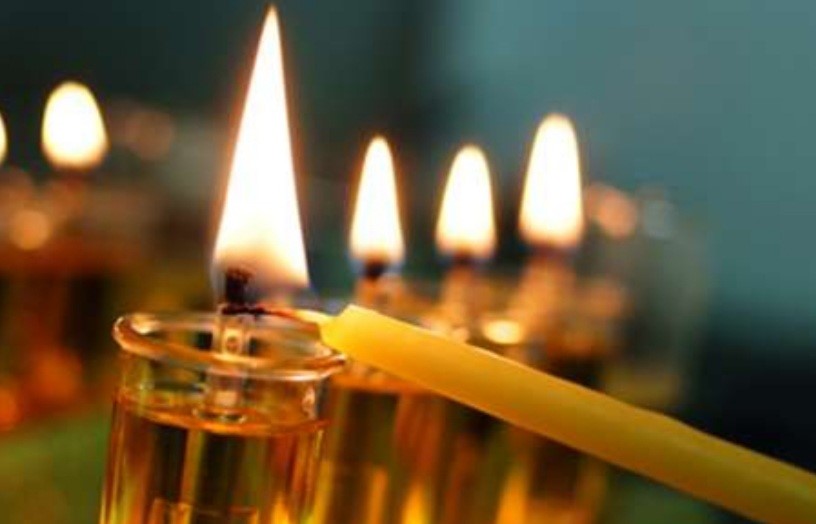
    Jewish custom explicitly forbids using the Hanukkah lights for any utilitarian purpose; they are “only to look at.” Thus, it is a beloved tradition that when the small candles of Hanukkah are lit, we take a break from our busy activities, and we sit for a few minutes… just to admire them. Let’s try to understand why that’s so worthwhile.

    As we know, the lights are to remind us of the Menorah in the Temple. That seven-branched golden lampstand in turn was to remind us of the eternal Light that will appear when the Holy One redeems Jerusalem: “The light of the sun will be seven times brighter, like the light of seven days, on the day the LORD binds up the fracture of His people.” (Isa. 30:26) The Light of that one “day” will shine like “seven days” of ordinary light. This is the kind of Light that effortlessly banishes both physical and spiritual Darkness: “Your ears will hear a word behind you, saying, ‘This is the way, walk in it,’ whenever you turn to the right or to the left.” (v. 21)

    Most families place the hanukkiah in a window, so that others can also enjoy them. We see the room reflect the glow of the candlelight, and we dream with our eyes open. We watch the tiny flames dance and flicker, as they speak to us about “those days at this season.” Impossible victories over an invincible enemy. Courageous rebellion against an attempt to uproot our Jewish faith from the earth… one of many attempts from Abraham’s time until today. The lessons passed down from Abraham about the faithfulness of our GOD, and the need to sometimes push back against the denials in order to again prove His faithfulness.

    The flickering lights on our hanukkiah tell us of that one small source of light, hidden in a dark corner of the ruined Temple, waiting for someone with enough faith to seek and find it. To pick it up and use it, even though it wasn’t enough. To expect the Creator to create a miracle, supplying whatever was needed to carry out His will.

    I’m reminded of the story told to me by the principal of a school in Afula that Sabra Fund supports. A Jewish family in Germany during Hitler’s rise to power looked out a window of their home as Hanukkah arrived – and found themselves staring at a huge Nazi flag flapping across the street. They expressed their defiance by setting their hanukkiah in THAT window, so that their Nazi neighbors could see it. That small “jar” of pure faith belonged to the family of the principal’s wife; they now live in Israel.

    The dancing lights on our hanukkiah tell us, in gentle whispers, a sweet secret: They are a ness. That Hebrew word means “a miracle,” but also “a banner raised on a pole” as a signal to gather others around it. Our faith in the Creator is that kind of ness – a small light raised high, to invite others to gather around the great Light. “Blessed are the people who know the joyful sound! LORD, they walk in the light of Your face.” (Ps. 89:15) When we walk in His Light, miracles can and do happen. Dreams seen with eyes of faith come true. Ruins are repaired, the defilement left by the enemy is cleansed, extinguished flames are rekindled.

    The wavering lights on our hanukkiah declare that the arrogant, mighty Greek empire, which assimilated many other peoples and cultures, almost succeeded in swallowing up the Jews as well – except for a handful of believers in the LORD of heaven and earth, who refused to cooperate. Their small candles could not be put out. And as crazy as it sounds, those small candles expelled the darkness of Greek paganism from the land of our fathers.

    But they knew why they had won the war: “‘Not by might, nor by power, but by My Spirit,’ says the LORD of armies.” (Zech. 4:6)

    The steadily burning lights on our hanukkiah tell us that through the many centuries when our people saw conquest and persecution, exile and assimilation… when a few candles of faith stayed lit, but many more went out… our GOD did not abandon us.

    He never forgot His promises to bring us back and plant us in our own land. And sure enough, here we are.

    The return of the exiles to Israel has always been a matter of faith expressed by a few. It started with the willingness of a handful of pioneers to reclaim the ruins of the Promised Land. But Israel is not like any other country. The “oil” used to regather the holy people of GOD could not be just nationalistic ambition. It needed to be pure and undefiled, with declared faith in the GOD of Israel.

    As the saying goes, represented by the letters on the dreidel (sevivon, the traditional Hanukkah spinner): “A great miracle happened there.”

    Despite the Zionist leadership in 1948 being strongly secular, a small “jar” of that pure faith was miraculously found and used. Israel’s Declaration of Independence ended with these words: “PLACING OUR TRUST IN THE ‘ROCK OF ISRAEL,’ WE AFFIX OUR SIGNATURES TO THIS PROCLAMATION.”

    The rebirth of Israel was declared by the Jewish sages to be “the beginning of the Redemption” promised in the holy Scriptures. That one small “jar” of faith from 1948 could never be enough to last until the full Redemption comes. Yet somehow, it HAS lasted – for 74 years and counting! Regathered Israel stands as a bright, glowing ness, capturing the attention of the world.

    But that light is not our own:

    “Arise, shine; for your light has come – the glory of the LORD has risen upon you. For behold, darkness will cover the earth, and deep darkness the peoples; but the LORD will rise upon you, and His glory will appear upon you. Nations will come to your light, and kings to the brightness of your rising.” (Isa. 60:1-3) 

    The winking lights on our hanukkiah invite us to share their hope. “Come, house of Jacob, and let’s walk in the light of the LORD.” (Isa. 2:5) We renew our trust in the Rock of Israel (Isa. 30:29) as we sing the traditional holiday song: “Maoz Tzur Yeshuati…” (Refuge, Strong Rock, my Salvation…).

    Our children gaze at the Hanukkah lights with shining eyes, just as we did when we were their age. Yes, my child – dream of miracles, and trust that great Light to perform them. One day He will come and shine like a beacon over Jerusalem, becoming the Ness to draw all nations to Himself (Isa. 2:3).

    Now we can understand why we are not permitted to use the candles of the hanukkiah as “working” lights. Think of what we would be missing!

    Likewise, if you light a hanukkiah during this holiday, take some time to sit and just look at it. Go ahead and dream.

    Be blessed by the Most High from Zion and Jerusalem,

  • Hanukkah 5783

    Hanukkah 5783

    On this Festival of Light – come and look for your jar of pure oil!

    The holiday of Light is about the miracles that happened to the Jewish people at Hanukkah:

    • The miracle of a few faithful believers in the Creator winning great victories over armies of “modern activists” (the “woke” generation of that era).
    • The miracle of regaining control of the holy House of the LORD, and successfully cleansing it from the awful defilement and idols that the pagans had brought into it.
    • The miracle of finding a jar of pure oil, buried under the trash, but still sealed and fit for use in the Holy Place.
    • The miracle of that small jar, only enough for one day, somehow being able to light the holy Temple Menorah for eight days.

    Our human spirits were created like lamps, to carry His Light: “The spirit of a person is the lamp of the LORD, searching all the innermost parts of his being.” (Prov. 20:27) In order for us to give out light, we too must find a jar of pure olive oil – a measure of faith. It begins with seeking for the Source of Light and faith.” For the fountain of life is with You; in Your Light we see light.” (Ps. 36:9)

    Maybe we are only small lamps with tiny lights, but we’ve all seen how even one small light can push back darkness, making a pitch-black room less oppressive and easier to navigate. When lots of small lights come together, the effect is not only a bigger, stronger light, but a more hopeful and beautiful atmosphere. It’s the same with one person who has faith in the Creator – or a roomful of such people. Their surroundings take on that glow of cheerful confidence in GOD’s love and power, and people around them begin to ask: “Where do you get such hope and joy?”

    That’s our opportunity to say to them: You can have it too, if you are willing to go to the Source.

    “And you will seek Me and find Me when you search for Me with all your heart.” (Jer. 29:13)

    Is your spirit dark, like an unlit lamp? Come to the Maker and Giver of Light. Let Him cleanse your spirit and make you fit for His holy presence. Search for that beginning measure of faith to start your small lamp. (He’s left one small, unspoiled jar for you to find, hidden somewhere nearby.) Break it open, pour it into your spirit. Dare to believe the Creator’s promise to give you “a garland instead of ashes, the oil of gladness instead of mourning, the cloak of praise instead of a disheartened [literally, “darkened”] spirit.” (Isa. 61:3)

    How long will your one jar of oil last? You may be surprised. The same miracles that happened at Hanukkah can happen to us also, anywhere, anytime. That’s because the GOD of Hanukkah is the same, everywhere and always.

    May this Hanukkah bring you the miracle of finding that small jar of pure oil, so that you can kindle a steady, beautiful flame of faith in the LORD of heaven and earth. May you bring Light and Hope to all those around you. And may you have the privilege of sending them also to the Source, to search for their own jar.

    Be blessed by the Most High from Zion and Jerusalem,

  • The Month of Elul

    The Month of Elul

    Every month in the year has its own significance for our lives. We associate some of them with vacations, the changing seasons, the points in time when the earth is closer to the sun, or farther away, and so forth.

    The Biblical calendar is built on exactly the same principle. The Hebrew word for “month” (hodesh) comes from the root word for “new” (hadash). Thus, the first or “head” of each month (not coincidentally, heralded by the “new” moon) was a holiday in Bible times, when Israel would celebrate the opportunity to renew things, or even start over from the beginning.

    The month of Elul in Jewish tradition marks a time when Heaven and earth draw near to each other. In one kind of imagery, “the King is nearby, in the field,” and we are trying to find Him. It’s a month in which the Creator of the world and mankind are both seeking a closer relationship.

    It’s true that we can –and should – try to be closer to the Lord of the world every day of the year. But our human tendency is to get caught up in the business (or busy-ness) of everyday living, allowing worldly cares to drive our activities and set our priorities. The month of Elul comes to help us concentrate and enter into the Creator’s calendar.

    This is what happened with Moses: On the first day of Elul, according to Jewish tradition, Hashem called to Moses and commanded him to come up into Mount Horeb, where they spoke together for forty days and nights – the same time period from the first of Elul until Yom Kippur, the Day of Atonement.

    For this reason, the month of Elul is devoted to a thorough self-examination, in Hebrew called “heshbon nefesh” (literally, “an accounting of the soul”). We review the past year in terms of what we did, thought, and desired at the spiritual and emotional levels. We seek to discover what needs repentance and change in the coming year. And we present this “account sheet” to our King.

    When Moses went up to the summit of the holy mountain, it was not just to receive the two tablets of the Covenant, or even to have an awesome one-time encounter with the Holy One. When Moses came back, he had a unique, intimate connection with the Creator, which continued on a daily basis:

    “Whenever Moses entered the tent, the pillar of cloud would descend and stand at the entrance of the tent; and the LORD would speak with Moses. When all the people saw the pillar of cloud standing at the entrance of the tent, all the people would stand and worship, each at the entrance of his tent. So the LORD used to speak to Moses face to face, just as a man speaks to his friend.” (Exod. 33:9-11)

    In the same way, drawing near to the God of Israel during this month of introspection is not a ritual that simply allows us to put a “check-mark” after fulfilling our yearly obligation. It’s supposed to be an encounter that pierces our hearts with love for our Beloved, where our every word is from the depths of our soul.

    Dear friends, it’s important to remember that while Moses was building this amazing closeness with God, and receiving His framework that would enable the people of Israel to draw near to Him, those same people were building something else… a golden calf. And yet His Love was not withdrawn from them. He remained faithful to His Covenant. We can trust Him to remain faithful today as well!

    What’s more, Moses shared Hashem’s own love for the people, even offering (Exod. 32:32) to give up his own life with Hashem if there was no hope of forgiveness for them. When we draw near to the Creator, we begin to think, act and love in the same ways that He does.

    The work we do during the month of Elul relates to inspecting ourselves for sin. The Hebrew verbs for “sinning” and “missing a target” come from the same root, making it easier to see how wide the definition can be.

    First, there are the needed “soul” repairs – and not just the negative things we need to stop doing, but the positive things we must start doing. And even those things that we’ve gotten right can always be improved: made better, deeper, clearer, and filled with more love. We can also reach out to others who feel far away from us and/or from the Creator, and bring them closer to the “target” of a right relationship.

    The best-known purpose for introspection during Elul is to check our interpersonal relationships, as preparation for Yom Kippur when we receive atonement from the Holy One. Jewish and Christian teachings agree that if we have unresolved issues with others, our Father in Heaven expects us to fix those before asking Him to forgive us. We need to forgive those who have hurt us, and ask forgiveness from those whom we have hurt – and only then can we approach the Great King and Judge for His forgiveness.

    When we do come to Him, we learn that we can have confidence in His goodness. “I have trusted in Your faithfulness; my heart shall rejoice in Your salvation. I will sing to the Lord, because He has looked after me.” (Ps. 13:5-6) This confidence comes when we show our sincere desire to draw near to our Creator: “Please stretch out Your hand and bring me close, because You know how to fix my faults.”

    As we strive to do our part in removing sin and error from our deeds, we are filled with joy to find that He answers us with encouragement: “I have wiped out your wrongdoings like a thick cloud, and your sins like a heavy mist. Return to Me, for I have redeemed you!” (Isa. 44:22) There is hope for us, for a different future. We can someday truly say, “My Beloved is mine and I am His… and His desire is for me.” (Song of Songs 2:16, 7:11)

    What a marvelous thing to realize that the Creator of the world desires intimacy with each of us. How can we not want to abandon those things that grieve Him, and do what pleases Him? (Ps. 34:13-14) His Love is what kindles our love, increasing our desire to be closer to Him, the Source of all Life and everything Good.

    The distance to Him is shorter during this month when the call of repentance is stronger. The “target” is reachable if we want to reach it badly enough. “And you will seek Me and find Me when you search for Me with all your heart.” (Jer. 29:13)

    May we all move closer to our Father and to one another in Love. Amen.

  • Siioniin tulo joka suunnalta: Jerusalem  päivä

    Siioniin tulo joka suunnalta: Jerusalem  päivä

    Luojaan uskovat ympäri maailman liittyvät Israelin kansaan iloiten Israelin uudelleen syntymistä ainakin kahtena päivänä vuodessa: Itsenäisyyspäivänä ja Jerusalem -päivänä.

    Itsenäisyyspäivä on modernin Israelin valtion virallinen syntymäpäivä. Mutta se on toissijainen Jerusalem päivälle. Miksi. Koska Jerusalemin on määrä olla koko maailman keskus.

    Sillä Siionista lähtee opetus, Jerusalemista Herran Sana.” (Jesaja 3:2)Jälleen

    Israelin itsenäisyys merkitsi juutalaisen kansan vapautumista valtiottomasta tilanteesta, missä heillä ei ollut mitään muuta mahdollisuutta kuin omaksua joku toinen maan omakseen. Jälleen kerran meille oli mahdollista määritellä oma kansallinen identiteettimme ja kohtalomme. Mutta Jerusalem? Jälleen omistaa ”Suuren Kuninkaan kaupunki” (Psalmi 48:2) kansamme pääkaupunkina oli sekä fyysinen että hengellinen vapautuminen .

    ei ehkä’ ole sattumaa, että molempia näitä virstanpylväitä juhlitaan kahden Luojan ”määräajan välillä”:Pesach ja Shavuot (viikkojuhla). Pesach’ina jätimme taaksemme orjan elämän tullaksemme kansaksi; Shavuot’ina vastaanotimme Tooran Siinailla, vanhurskaitten lakien kokoelman, joka sitoisi meidät yhteen kansana. Ei kenelläkään toisella kansalla ole tällaista kutsumusta, joka on fyysinen ja hengellinen samaan aikaan.

    Ei varmasti ole sattumaa, että heprean sana ”itsenäisyys” (atzma’ut) on hyvin lähellä sanaa itsetunto (atzmaiyut). itsenäisyyspäivä ilmentää ensimmäistä, kun taas Jerusalem päivä viittaa toiseen. Israelin kansalla ei ole identiteettiä ilman pääsyä paikkaan, johon Israelin Jumala on asettanut Hänen Nimensä ikuisiksi ajoiksi:

    ”…Minä olen pyhittänyt tämän temppelin, jonka sinä [Salomon] olet rakentanut sitä varten, että minä sijoittaisin nimeni siihen ainiaaksi ja minun silmäni ja minun sydämeni tulevat olemaan siellä aina.” (I Kuningasten kirja 9:3)

    Ja hän sanoi minulle [Hesekiel ],’Ihmisen poika, tämä on minun valtaistuimeni sija ja minun jalkapohjaini sija, jossa minä tahdon asua Israelin lasten keskellä ikuisesti.” (Hesekiel 43:7)

    Tämän vuoksi juutalaiset Babylonian vankeudessa kieltäytyivät laulamasta ”yhtäkään Siionin lauluista”, ollessaan erossa kaupungista, joka teki heidät sellaisiksi kuin he olivat:

    Kuinka  me voisimme laulaa Herran laulua vieraalla maalla? Jos minä unohdan sinut Jerusalem, niin unohda sinä minun oikea käteni. Tarttukoon kieleni suuni lakeen, ellen minä sinua muista, ellen pidä Jerusalemia ylimpänä ilonani.” (Psalmi 137:4-6)

    Huomaa, mitä kaiken maan Herra julisti, kun ensimmäinen Temppeli rakennettiin: Se on tarkalleen sama kuin Hänen julistuksensa näyssä viimeisestä Temppelistä, jota ei ole vielä rakennettu! Hän ei  lyhennä ”ikuisuutta” tai muuta Hänen mieltänsä. Hän ei välitä globaalista julistuksesta, että Temppeli vuori nyt kuuluu muille ja sillä on eri nimi tai, että Jerusalem ei kuulu juutalaisille.

    Eikä meidänkään pitäisi. valheen hylkäämiseen ei edes tarvita uskoa, ainoastaan perustietoa Lähi-Idän historiasta.

    Kuningas Daavid virallisesti osti Temppelivuoren edelliseltä (jebusilaiselta) omistajalta, maksaen täyden hinnan siitä (I Aikakirja 21:18-25). Kun juutalaiset maanpakolaiset palasivat Babyloniasta jälleenrakentamaan kaupungin, he vastasivat epäilijöille ja pilkkaajille:”…Taivaan Jumala on antava meille menestystä, ja me, Hänen palvelijansa, nousemme ja rakennamme. mutta teillä ei ole mitään osuutta eikä oikeutta Jerusalemiin, eikä teidän muistonne ole siellä pysyvä.” (Nehemia 2:20) Ja kun he todella onnistuivat, he ylistivät Luojaa niin äänekkäästi, että ”…ja Jerusalemin ilo kuului kauas”  (Nehemia 12:43)

    Tuhansia vuosien ajan Jerusalem ei kuulunut kenellekään PAITSI juutalaisille. Kun kukaan muu ei edes ajatellut hyljättyä, rauniokaupunkia, AINOASTAAN juutalaiset sanoivat joka vuosi, ”Ensi vuonna uudelleen rakennetussa Jerusalemissa.” Jokaisessa juutalaisessa hääjuhlassa, sulhanen toistaa juhlavan valan psalmista 137, ettei koskaan unohda Jerusalemia- ennen kuin rikkoo lasin jalallaan.

    Herjaava huuto tänään, että Israel ”juutalaistaa Jerusalemin” on yhtä typerä kuin syyttäisi aurinkoa ”taivaan aurinkoiseksi tekemisestä”. Mikä olisi luonnollisempaa ja oikeampaa kuin , että molemmat ovat juuri siellä, missä heidän odotetaan olevan, totellen Luojan asetuksia?

    Ja kuitenkin Luoja julistaa, että jopa aurinko, jonka Hän asetti taivaalle, ei voi enemmän kuin  yhteys Jerusalemiin: ”Ja kuu punastuu ja aurinko häpeää, sillä Herra Sebaot on Kuningas Siionin vuorella ja Jerusalemissa…” (Jesaja 24:23)

    Pyhät Kirjoitukset todistavat, että Hän ”joka kuivasi meren…lunastettujen ylittää” toisessa Mooseksen kirjassa on Hän, joka kykenee ”Herran lunastetut palajavat ja tulevat Siioniin riemuhuudoin” (Jesaja 51:10-11). Juuri Hän myös lupaa kuunnella ”muukalaista”, joka ei ole Israelin kansasta, kun hän ”rukoilee tätä temppeliä kohti”, niin että kansat kaikki maan kansat tuntisivat Sinun nimesi  ja rakastaisivat Häntä niin kuin Israel (I Kuningasten kirja 8:41-43)

    Pohjoisesta, etelästä, idästä ja lännestä, kansojen keskeltä uskovaiset, jotka kääntyvät kohti Jerusalemia rukoilemaan, kohtaavat Hengessä ja heidän sydämensä yhtyvät  mailien päästä. Tämä kokemus on jopa suurempi kuin heidän, jotka voivat fyysisesti tulla Suuren Kuninkaan kaupunkiin. Me harjoittelemme Lopun aikoja varten: ”Monet kansat lähtevät liikkeelle sanoen:’tulkaa nouskaamme Herran vuorelle, Jaakobin Jumalan temppeliin, että Hän opettaisi meille teitänsä ja me vaeltaisimme Hänen polkujansa…”’ (Jesaja 2:3)

    Juutalainen perinne opettaa, että taivainen Jerusalem laskeutuu Lopun päivinä yhdistämään maanpäällisen kaupungin ja antamaan pyhyytensä sille. On myönnetty, että Jerusalem, jonka me näemme tänään, ei ole vielä pyhä sillä tavoin kuin se jonain päivänä tulee olemaan, perustuen Kirjoituksiin kuten tähän:

    Heräjä, heräjä, pukeudu voimaasi, Siion; pukeudu juhlapukuusi Jerusalem, pyhä kaupunki. Sillä ei koskaan enää astu sinun sisällesi ympärileikkaamaton eikä saastainen.” (Jesaja 52:1)

    Ja te tulette tietämään, että minä olen Jumalanne, joka asun Siionissa, pyhällä vuorellani. Ja Jerusalem on oleva pyhä, ja vieraat eivät enää kulje sen läpi.” (Joel3:17)

    Näin sanoo Herra: Minä käännyn jälleen Siionin puoleen ja tulen asumaan Jerusalemin keskelle, ja Jerusalemia  kutsutaan Uskolliseksi Kaupungiksi ja Herran Sebaotin vuorta Pyhäksi Vuoreksi.” (Sakaria 8:3)

    Maan ja sen pääkaupungin moderni restaurointi ovat sen tähden sielun tienviittoja, kertoen meille, että kaikki, mitä Pyhä Ainoa on luvannut -fyysistä ja hengellistä -tulee tapahtumaan:

    Aikojen lopussa on Herran temppelin vuori seisova vahvana, ylimmäisinä vuorista, kukkuloista korkeimpana, ja kaikki pakanakansat virtaavat sinne.”

    Täten, Jerusalem päivä muistuttaa meitä, että kaupungin vapautus ei ole vielä täydellinen. Me odotamme Messiasta, joka tulee hallitsemaan tästä paikasta :”…se päivä on Herralle  tunnettu -ei vaihdu päivä ja yö…” (Sakaria 14:7) Nähkäämme se meidän päivinämme.

    Siunatkoon Kaikkein Korkein teitä Siionin maasta ja Jerusalemista.

  • Refugees in Sabra House

    Refugees in Sabra House

    We opened Sabra House to receive refugees from Ukraine. We began receiving them after they had to leave everything behind what they are comfortable and confident with, fleeing from the horror that suddenly shook their lives. They arrived to Israel, via Poland, Moldova and Romania, with mixed feelings, confused, fearful and disabled. Yet at the same time thankful for a place like Sabra. A safe place, where we take care of them, and try to comfort them. I am so proud of my team, who with so much patience, love and all their energy are taking care of them. Giving them the time to make necessary choices. Some of them are Jewish and they choose very consciously to come to the Land. Temporarily we give them a shelter over their heads, a place to stay, food, medicine, but also assistance with moving into their house, helping them with translations etc.

    There is a couple that we are helping, Diana and her husband Vasiliy from Kiev. Diana was working in the Jewish Agency (Sachnut) as a coordinator to encourage and help young people to go up to the Land. For her every boy or girl who decided to make Aliyah to the Land, felt as a great victory.  And now she and her husband they themselves came as refugees to the Land. They decided that their home will be in Afula. She even has a wish to be a volunteer in Sabra, to help the refugees, new Olim and Holocaust Survivors. I am really touched that our faithful God choose Sabra for this work.

    Below you can read some feelings from our precious volunteer from Finland, “Ruth”:

    ”One day stepping inside Sabra House two ladies – a mom with her daughter. They were the first refugees whom we welcomed from Ukraine. We hugged each other strong and warmly and shared the pain, “without words”. I tried to imagine – at least a little bit – what they had gone through so suddenly.  

    During the following days we lived together our daily life in Sabra House, while for them everything in their lives had changed – EVERYTHING. All that was dear to them had been smashed into ashes. How would I be able to show with my behaviour that G-d of Israel hasn’t forgotten His nation? Suddenly one evening I heard the mom shouting her pains out, crying with a loud voice… However during this hard time in their lives they did show kindness and gratefulness towards our little team. The warm socks which ladies had knitted with prayers and blessings in a faraway country got them to smile.

    So easily we say: “Comfort, comfort my people…”, but these days those words got a very deep and painful meaning for me. To give something from my inner self; to understand their despair is not easy. Feeling so helpless how to give them my comfort.

    Then arrived another interesting person and I celebrated with him his first Shabbat in Israel. Both of us speaking a different language and we could not understand each other. Facing the fact that this strong, athletic grownup in this new, hard situation, is like seeing a little child that needs much patience and love.

    Next arrived in the middle of the night a tired, sad couple. Again: welcoming them to Sabra House. We hugged and through burning tears I only was able to say “ani ohavet otchem” (I love you). 

    So difficult for me to write about these moments, in tears.. empathetically contemplating about the pain they carry constantly. ’Comfort…’” ~ Ruth

  • Passover celebration with Holocaust Survivors

    Passover celebration with Holocaust Survivors

    This year with Passover we helped again Holocaust Survivors to celebrate Passover, one of the most important feasts for the Jewish people, not only in Afula, but also in Jerusalem and Holon, a city near Tel Aviv. The Holocaust Survivors need more and more our attention, with our help, our comfort, our prayers. They are vulnerable. We continue the work by visiting them, bringing them to a doctor and listening to their howling stories. More than ever they have this need to tell their story. Even know them for years, they tell stories I haven’t heard before, because they were too painful for them.

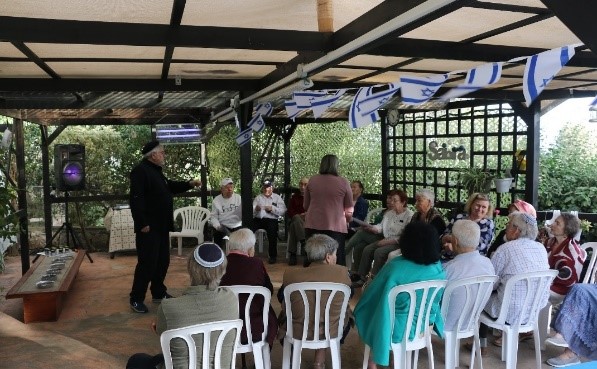
    Together with the Holocaust Survivors who are still able to come to Sabra (we pick them up and bring them back home) we remembered Yom HaShoah (Holocaust). Also the vice Mayor of Afula visited Sabra for this event. We shared memories and lighted candles. It was a beautiful day and despite the sad memories, they were happy for this moment together. A moment of recognition, sharing their painful memories and lighting candles. A sad day, also for me, but a warm feeling that we were together and were able to give them a little bit of comfort.

    Below you can read some feelings of our volunteer from Holland, “Hannah-Leah”:

    I have the privilege to live in Israel and to serve my God in Sabra and be a part of this precious work. Not always easy, but I am so in awe that I can do it. Momentarily my work is concentrated in Jerusalem, Holon and the boarding school near Gaza, but of course, I regularly go to Sabra in Afula.                                                                 

    For the meeting on Yom HaShoah I was present in Sabra. This day touched me so much, being together with the Holocaust Survivors. Not only sharing the pain of their memories, but also the loss of Salomon and the pain of Rima and Sophia who lost her husband Jacob. Beside that, there was sadness about the war Russia/Ukraine; many of them have still family there.

    They shared their stories with us. One story touched me deeply: after surviving the horror of the Holocaust and managing to return to the city they lived in before, their house had been confiscated by other people and all their possessions were gone! They experienced very strong anti-Semitism even by their former neighbors. They were beaten and verbally abused. They had no place to go to and no one helped them. This was so painful. They were so ashamed, and therefor they never shared it with anyone. Again I felt so privileged to be a part of this holy work.                                                                                                                                

    Please pray for them, for Sabra ~ Hannah-Leah

  • Visiting the Pesach celebration in the school

    Visiting the Pesach celebration in the school

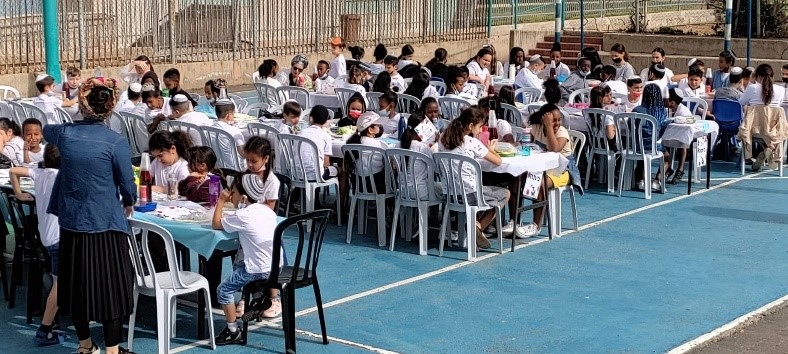
    As usual we are helping the wonderful children to celebrate the Biblical Feasts through the Jewish roots (Lev 23). We as a team were invited to one of the schools, to celebrate the beautiful Feast of Passover together with them. To hear the story about the slavery in Egypt and the Exodus, how God with His mighty Hand took them out of Egypt, out of slavery.

    It is such a joy to be a part of this important work which the Principal and the teachers of the school are doing. To see with how much enthusiasm and energy they fulfill this commitment God gave to the Jewish people: “to celebrate Passover”, and to tell it to the children.                                                     

    They organized a Passover meal with a special meaning. The Rabbi explained this deep meaning. So wonderful to be there and to see in person what Sabra is able to give to these children, through your prayers and support. It is so important, to invest in children. They are the future.

    The principal said: ”How great is our God” and thanked all the people who made it possible to celebrate this feast of Passover in this great way.

    I added: ”We cannot do it without the wonderful prayers and support from friends all over the world.” The reward was the joy and the big smiles on the faces of those children. For a moment they could forget the troubles in their young lives. 

    Together with us in this celebration was also a couple from Finland. They wrote a few words about their feelings.

    Volunteers Mirja and Olli:

    We are grateful that we had the possibility to join the Pesach Celebration in the school. We were allowed to sit in the seats of honour and to follow the party by participating in the celebration to the best of our ability by singing and playing. We were able to enjoy Seder-Pesach meal together with the children and staff.

    It was really interesting to watch the lively joining of the children in the course of the celebration; the children participated in the party each with their own temperament, yet the party was in good order. The staff fully gave from themselves everything towards the celebration. Our attention was especially drawn to the principal, how he gave everything from himself in leading this party and how the Rabbi of this school genuinely joined this celebration, not only by speaking – but he showed his tender care for the children by chatting with them.

    This school wants to teach the children through this celebration about the Jewish roots and love and goodness of their Abba Father toward each one of them. This school appreciates very much the support that Sabra is giving to them.